
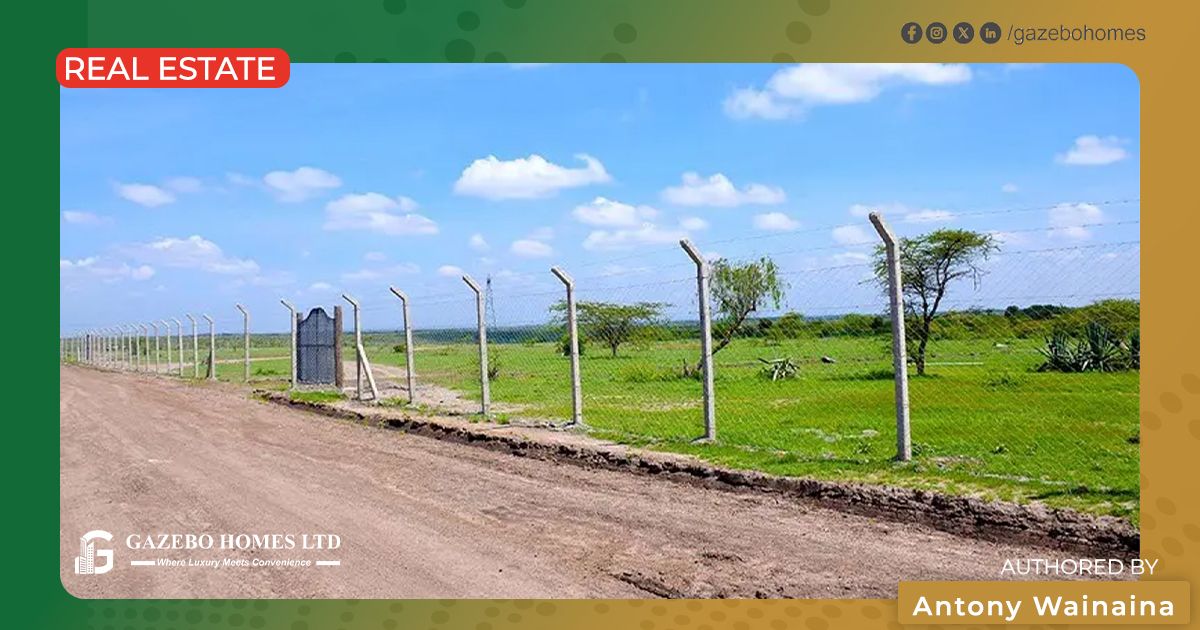
Kenya Land & Plot Investment Guide 2026 – Buy Plots Safely & Profitably
Introduction
Investing in land in Kenya has long been a cornerstone of wealth creation. Even in 2026, the demand for plots remains high due to population growth, urbanization, and infrastructure expansion. Land offers tangible value, long-term appreciation, and opportunities for residential, commercial, and agricultural development.
Table of Contents
However, the process can be fraught with fraudulent transactions, unclear ownership, and regulatory challenges. This comprehensive guide shows you how to invest in land safely, where to buy in 2026, common pitfalls, and strategies to maximize returns.
Why Land Investment Remains Profitable in Kenya
- Limited Supply: Land in high-demand areas is finite, ensuring appreciation over time.
- High Returns: Satellite towns like Ruiru, Kitengela, Juja, and Athi River have shown steady price growth.
- Wealth Preservation: Land offers a hedge against inflation and currency fluctuations.
- Diverse Use Cases: Residential, commercial, industrial, agricultural, or speculative investments.
Step-by-Step Process of Buying Land in Kenya
1. Define the Purpose of Your Land Investment
- Residential: Build homes or rent units.
- Commercial: Offices, retail spaces, or warehouses.
- Agricultural: Farming or agribusiness.
- Speculative: Buy and hold for long-term appreciation.
Understanding your objective guides legal compliance, location selection, and zoning requirements.
2. Conduct a Land Search (Mandatory)
The land search verifies ownership and confirms there are no encumbrances. Methods include:
- ArdhiSasa portal (Nairobi, Mombasa, Kisumu, and other counties)
- County land offices for physical searches
Checklist for land search:
- Confirm registered owner
- Check for mortgages or caveats
- Verify exact size and boundaries
3. Verify Physical and Legal Details
- Hire a licensed surveyor to confirm boundaries.
- Ensure the land is not on a public road, riparian zone, or government reserve.
- Confirm the land matches registry records and has proper zoning approval.
4. Engage Legal Representation
Always hire a qualified conveyancing advocate. The sale agreement should clearly outline:
- Payment terms
- Transfer timelines
- Responsibilities of buyer and seller
- Penalties for default
5. Transfer, Stamp Duty & Registration
- Stamp duty: 4% (urban), 2% (rural)
- Land transfer registration ensures the title is officially in your name
- Title verification: Cross-check with official county or national registries
Best Places to Buy Land in Kenya (2026)
High-Growth Satellite Towns
- Juja: KES 2.5M – 6M per 50×100 plot
- Ruiru: KES 5M – 15M
- Kitengela: KES 3M – 8M
- Athi River: KES 4M – 9M
Emerging Investment Zones
- Naivasha: Ideal for tourism, logistics, and holiday homes
- Konza Tech City outskirts: High appreciation potential
- Thika outskirts: Industrial and residential growth
- Kisumu suburbs: Growing middle-class demand
Avoiding Land Scams in Kenya
Common Land Scams
- Selling fake title deeds
- Double allocation of the same plot
- Impersonation of the rightful owner
- Selling public or government land illegally
How to Protect Yourself
- Always conduct an official land search
- Hire an advocate and licensed surveyor
- Avoid full upfront payments
- Verify the seller’s identity and documentation
- Ensure zoning and county approvals are in place
Land Prices & Trends (2026)
- Juja: KES 2.5M – 6M
- Kitengela: KES 3M – 8M
- Ruiru: KES 5M – 15M
- Naivasha outskirts: KES 600K – 3M
Expect 5–15% annual appreciation in emerging satellite towns, especially along new highways.
Financing Land Investment
- Bank mortgages (KCB, Equity, Co-op)
- Developer installment plans
- Joint ventures with other investors
- SACCO loans (e.g., Mwalimu SACCO, NSSF investment loans)
Special Considerations for Diaspora Buyers
- Must appoint a power of attorney
- Leasehold is often the only option for foreigners (up to 99 years)
- Use escrow accounts to avoid fraud
- Comply with Kenyan tax laws
Long-Term Investment Strategy
- Buy plots early in emerging towns
- Develop residential units for rental income
- Reinvest appreciation in satellite towns
- Combine plots with other asset classes (REITs, stocks, or commercial property)
Case Studies (Real Examples 2026)
Juja Investment Success
Investor purchased 5 plots in Juja at KES 3.5M each (2024), now worth KES 6M each. Developments nearby include a new shopping mall and high-end apartments.
Naivasha Holiday Homes
Diaspora investor purchased 2 plots for KES 1.2M each in 2023. Developed eco-lodges for tourism. Rental yields of 8–10% annually.
FAQs
Is land a good investment in Kenya in 2026?
Yes. Infrastructure growth and population expansion make land a resilient investment.
Can foreigners own land in Kenya?
Foreigners cannot hold freehold land but can lease for up to 99 years.
How do I verify land ownership?
Use ArdhiSasa portal, hire a surveyor, and confirm title deeds with a licensed advocate.
Conclusion
Investing in land in Kenya in 2026 is profitable but requires due diligence, legal verification, and smart location choice. By following the steps outlined here, you can maximize returns, avoid fraud, and build long-term wealth.
All Categories
Recent Posts

Land Selling Companies in Kenya

How Diaspora Investors Can Safely Buy Property in Kenya