
Moving, Home Security & Settling Your Family: Practical Checklist for a Smooth Transition
Moving into a new family home is a joyful but logistically complex event. Beyond the emotional excitement, families must handle moving logistics, security setup, childproofing, school registration, community integration and longer-term maintenance planning.
This article gives a step-by-step moving plan, a detailed security-setup roadmap, child safety advice, and post-move integration tips to make the first three months in your new home as smooth and safe as possible.
Table of Contents
ToggleTable of Contents
Key takeaways
- Plan the move over at least eight weeks; early planning reduces errors.
- Prioritise day-one security actions: change locks, reset codes, test alarms.
- Childproofing and fire safety are immediate priorities for families.
- Build local social networks neighbours are a vital safety resource.
- Budget for ongoing maintenance and staged security upgrades.
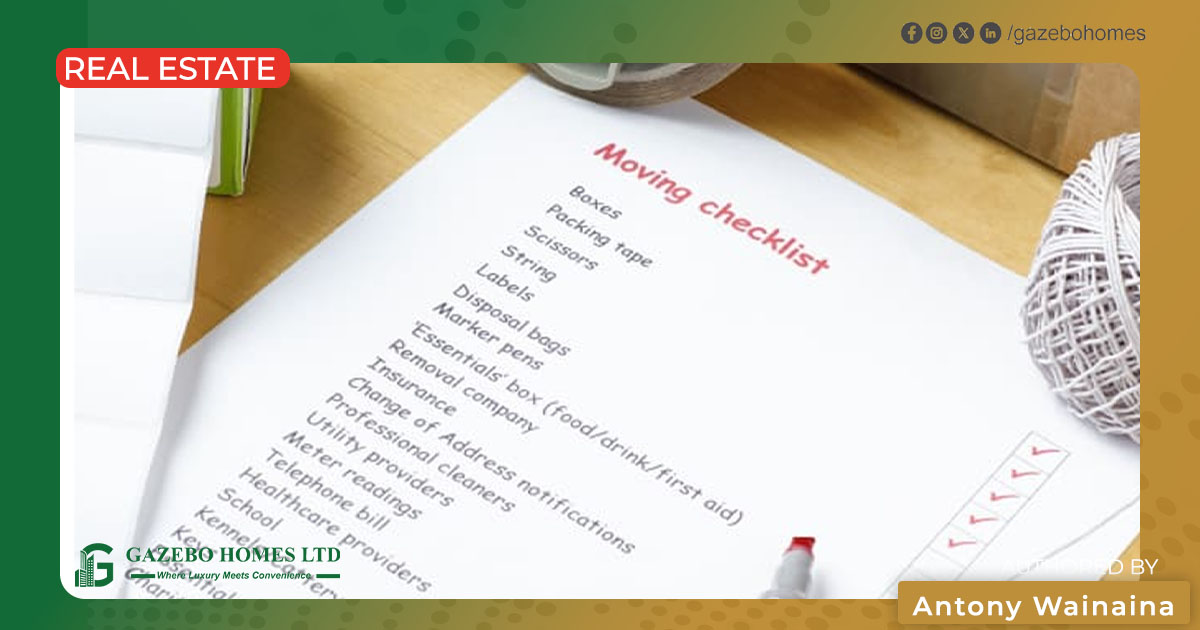
1. The 8-week pre-move plan (organize early, reduce stress)
Start early and break tasks into eight-week, four-week, and final week phases.
8–4 weeks before move
- Confirm completion date and get keys/handover appointment in writing.
- Arrange transfer of utilities (electricity, water, internet) to start on handover day.
- Hire a reputable moving company get at least three quotes and references.
- Gather school records if you are changing schools; start transfer or enrollment paperwork.
- Notify landlord (if renting) and confirm handover conditions for the old property.
- Create a room inventory and label boxes by room and priority.
4–2 weeks before move
- Book a locksmith to change external locks on handover day.
- Order essential furniture or safety equipment (child gates, smoke alarms, first aid kit).
- Arrange interim child care for moving day if possible (simplifies supervision).
- Confirm security company activation if you intend immediate monitoring.
Final week
- Pack essentials box (documents, chargers, medicines, clothes for two days).
- Clear perishables and finish cleaning old property.
- Get house-to-house contact list for neighbours and local services (doctor, vet, pharmacy).
- Confirm moving crew arrival time and final logistics.
2. Security setup at day one, defensive baseline
Safety begins on handover day: change locks, test alarms, and meet estate management.
- Change external locks and ensure no duplicate keys remain with previous owners.
- Reset alarm codes and gate remotes; get new access cards from estate office where applicable.
- Install or activate CCTV: start with a camera covering main entrance and driveway/parking. Consider monitored CCTV or self-recording with cloud backup.
- Test existing perimeter security (fences, gates) and document any defects for the seller’s responsibility or negotiation.
- Sign up to estate security groups/WhatsApp and exchange emergency contact numbers.
- Register with the nearest police station (if local practice) and provide your contact details to estate management.
These early steps prevent opportunistic access and set the tone for community security.
3. Childproofing and family safety inside the home
Homes look different through a child’s eyes anticipate hazards.
- Install stair gates, window guards, and socket covers as standard.
- Anchor tall furniture (bookcases, dressers) to walls to prevent tip-over.
- Lock away chemicals and medicines in high cabinets with child-proof latches.
- Cover sharp corners with bumpers in high-traffic areas and low furniture edges.
- Check pool fencing and locks if the property has a pool pools are high-risk for young children.
- Create a child-safe play area where you can see the kids while carrying out chores.
For older children, discuss house rules and emergency procedures early.
4. Fire safety and first responses
Life safety systems should be priority one.
- Smoke alarms: test existing alarms and install mains-powered or long-life battery units on each floor.
- Fire extinguishers: place at kitchen and garage and know how to use them.
- Escape plan: create a family escape plan with two exit routes for each room and practice it.
- Emergency kit: keep a kit with torches, spare batteries, water, basic tools and first aid accessible.
Fires and power outages are low-frequency but high-impact events preparation counts.
5. Utilities, connectivity & continuity
Modern family life depends on reliable utilities.
- Internet: verify available ISPs and order installation early (some providers have long lead times).
- Electricity and water meters: confirm meter readings at handover and register with suppliers in your name.
- Waste collection and recycling: check schedule and arrange bins.
- Backup power: consider a small UPS for critical devices and evaluate standby generators for unreliable supply areas (weigh cost vs necessity).
Document all accounts and keep a spreadsheet of service provider contacts and account numbers.
6. Healthcare, schools & community services
Settling a family includes practical community logistics.
- Nearest hospital & clinics: note distance and fastest routes; meet reception staff if possible.
- Family doctor and dentist: locate reliable options in the new area and transfer records.
- Schools: finalize school enrollment, confirm school transport options and meet teachers where possible.
- Childcare & after-school programmes: confirm hours and emergency contact procedures.
Register with local parent groups to build rapid social support.
7. Security technology roadmap (starter → intermediate → advanced)
Start with baseline measures on moving day; add sophistication over the first 90 days.
- Starter (day 1–7): change locks, basic CCTV, alarm activation, outdoor motion lights.
- Intermediate (weeks 2–8): monitored alarm subscription, additional CCTV cameras, smart doorbell.
- Advanced (month 3+): home automation (locks, lighting schedules), remote monitoring subscriptions, integration with a security company with verified response times.
Prioritise measures that reduce response time and provide tangible deterrence.
8. Neighbourhood integration & informal security networks
A connected neighbourhood is a safer neighbourhood.
- Introduce yourself to immediate neighbours and exchange numbers.
- Join community WhatsApp or Telegram groups for security alerts and local recommendations.
- Attend estate or residents’ association meetings early involvement gives you voice over security priorities.
- Start a buddy-system with neighbours for school runs, pet care, and emergency backup.
Active community engagement creates social capital that often substitutes for formal security.
9. Furnishing and child-friendly layout considerations
Design choices should balance aesthetics with safety and function.
- Durable, washable finishes for dining and play areas.
- Low, rounded furniture in main living spaces to reduce injury risk.
- Storage solutions to keep toys off the floor and reduce tripping hazards.
- Blinds & cords: fit cordless blinds or secure cords out of children’s reach.
Plan furniture layout around sight lines so supervising adults can watch play areas while cooking or working.
10. Legal & administrative follow-ups after moving in
Post-move administration keeps your ownership clean.
- Register with estate management and pay initial levies.
- Update address on national ID, bank, insurance and school records.
- Confirm property insurance – building and contents cover should start on handover date.
- Keep handover documents (inventory, meter readings, defect lists) in a secure place.
Complete these items within the first 30 days to avoid lapses.
11. Maintenance plan for the first year
Early maintenance protects capital and family safety.
- Seasonal checks: roofs and gutters before rainy seasons; exterior painting and sealant checks annually.
- Pest control: schedule termite and pest inspections if regionally recommended.
- HVAC servicing: clean filters and service AC units before hot seasons.
- Landscape care: maintain trees and hedges to preserve sight lines and remove hiding spots.
Budget 1–3% of property value annually for ongoing maintenance and periodic updates.
12. Psychological transition & routines for children
Moving is disruptive to children; small rituals help.
- Tour the house together before moving day; let children choose decorations for their rooms.
- Keep routines (bedtime, school rituals) steady in the first weeks.
- Host a “welcome” playdate to help kids make local friends quickly.
Emotional stability supports safety children who feel secure adapt faster.
Frequently Asked Questions (FAQs)
What should I change on day one for security?
Change external locks, reset alarm/gate codes, activate or install CCTV covering the entrance, and register with estate security.
How quickly should I childproof the house?
Childproof high-risk areas immediately stairs, kitchen, bathrooms and windows ideally on the day you receive keys.
Do I need a monitored alarm system?
Monitored systems add a response layer. If you value rapid response and have valuable assets or young children, monitoring is worth the cost.
How do I choose a moving company?
Get three quotes, check references, confirm insurance for items in transit, and read the contract for liability limits.
How do I join local security or residents’ groups?
Contact estate management, attend the first residents’ meeting, and ask neighbours for group details many groups operate informally via WhatsApp.